Blackjack Champ
Top Casinos
 

Blackjack Rule Variations

Play Vegas Strip Blackjack!Anyone who has been to a casino either online or in person has seen several different types of blackjack games being offered and all of them seem to speak in a special language of payout ratios, hard and soft hands, not to mention the differences in American and European rules. Even more confusing are the “fun” variants that create additional levels of complication for greater potential payouts and special bonuses. But wait! It doesn’t have to be confusing.

Thankfully variations on blackjack are like different flavors of your favorite food: they all have a simple and common foundation that you already know and enjoy.

Rule Variations

The most common variations are the simple rule variations that casinos employ, usually to swing the advantage to their favor as every small change impacts the game’s statistics. It might not seem like a big deal, when a slight change adds .38% to the casino’s edge over the player but small numbers add up and it’s your bankroll that’s likely to pay the difference.

Dealer’s card rules

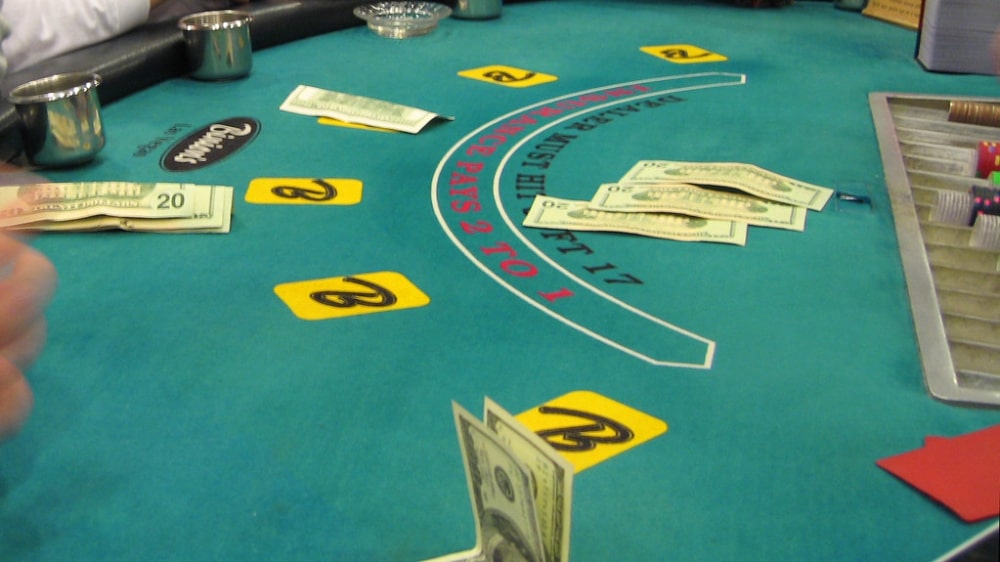
The most common rules that a blackjack dealer must follow is to stand on a hard 17. The two other possibilities are that the dealer stands or hits on a soft 17, meaning that the hand may be counted in two ways if there is an ace present. When the dealer is required to hit on a soft 17 the casino’s inherent advantage increases slightly.

Doubling

Doubling is considered dangerously profitable for players so much that casino generally have specific rules about when and how a player can double down. In general the common rule variants are that players can only double down after the first two hands or on cards valued between 9-11.

Doubling after a split

You might be more likely to experience a singing waiter before you’ll find a casino that allows you to double down after splitting cards. The simple reason is that it improves the player’s advantage by as much as .14%

Splitting and re-splitting aces

Splitting aces, especially being able to re-split aces if you are dealt another ace is beneficial to the player’s advantage (0.08-1.12%). This is why most casinos only allow a pair of aces to be split once.

Surrendering

Surrender is infrequently if at all allowed in casinos. This is because it allows a player to minimize an expected loss. The casinos that do allow surrender generally have specific rules about when you can and can’t do it. The most common is “late” surrender after the dealer has checked for a blackjack while “early” surrender is rarely seen.

Insurance

Insurance is a widely available blackjack variation, mostly due to the unusually high house advantage. Insurance is a side bet that a player takes out to cover his original bet if he believes that the dealer has a blackjack. The term insurance may seem like a safe, comfortable option but in practice it is almost always a losing bet. Only practiced card counters can at best be up to 80% certain about the dealer’s probability to be holding a blackjack.

Payout

Usually, blackjack pays out at 3:2, but this isn’t always the case. There are some online blackjack games that pay out 1:1 for a blackjack hand, which significantly reduces the edge players have over the casino. Watch out for these games.

Side bets and special payouts

This last category is actually the biggest. Many online blackjack variations try to spice up games by offering side bets and special payouts. There are dozens of ways this is done, so we certainly won’t list them all, but each one changes the odds of the game, and also changes the strategies needed to win. This variety is part of what makes playing blackjack online so much fun.